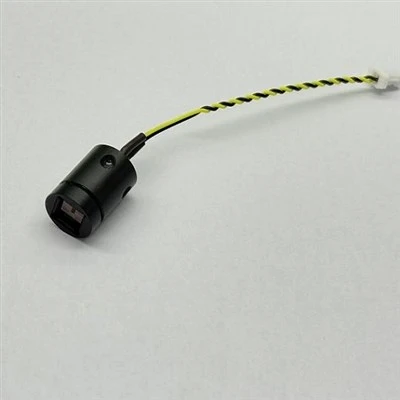
Hey there, tech enthusiasts! I’m a supplier of Structured Light Laser Modules, and today I wanna chat about how to upgrade the firmware of these nifty gadgets. Firmware upgrades are super important for Structured Light Laser Modules as they can enhance performance, add new features, and fix any glitches that might be bugging you. Structured Light Laser Modules
Why Upgrade the Firmware
First off, let’s talk about why you’d even want to upgrade the firmware. Think of firmware as the brain of your Structured Light Laser Module. When you upgrade it, you’re essentially giving your module a little boost. New firmware can improve the accuracy of the laser projection. This is crucial if you’re using the module for applications like 3D scanning or machine vision. A more accurate laser means better data collection and more precise results.
It can also add new functionality. Maybe the new firmware allows for different projection patterns or better compatibility with certain software. And who doesn’t love getting some extra features without having to buy a whole new module?
Another big reason is security. Just like your computer or phone, Structured Light Laser Modules can be vulnerable to security threats. Firmware updates often include security patches that can protect your data and the integrity of your module.
Pre – upgrade Checks
Before you dive into upgrading the firmware of your Structured Light Laser Module, there are a few things you gotta check.
Compatibility
The first thing is to make sure the new firmware is compatible with your specific module. Each model of Structured Light Laser Module might have different requirements, and using the wrong firmware can cause all sorts of problems, from the module not working properly to even permanent damage. Check the documentation provided by the manufacturer. Usually, it’ll tell you which firmware versions are suitable for your device.
Backup
It’s always a good idea to backup any important data related to the module. In the rare case that something goes wrong during the upgrade, you’ll have a copy of your data to fall back on. This could include any custom settings or calibration data you’ve stored in the module.
Power Supply
Make sure your module is connected to a stable power supply. A power outage during the firmware upgrade can corrupt the process and leave your module in an unusable state. If possible, use a power bank or a UPS (Uninterruptible Power Supply) to ensure continuous power.
Steps to Upgrade the Firmware
Download the Firmware
The first step in the upgrade process is to download the new firmware. Head over to the manufacturer’s website. Look for the support or downloads section. You’ll usually find a list of firmware versions available for your Structured Light Laser Module. Make sure to download the correct version that you’ve verified is compatible.
Most of the time, the firmware will be in a compressed file format like .zip. Once you’ve downloaded it, extract the files to a location on your computer that’s easy to access, like your desktop.
Connect the Module
Next, you need to connect your Structured Light Laser Module to your computer. Depending on the module, you might use a USB cable, an Ethernet cable, or some other type of connection. Make sure the connection is secure.
Some modules might require you to install specific drivers on your computer before they can be recognized. Check the documentation to see if this is the case for your module. If so, download and install the drivers from the manufacturer’s website.
Use the Upgrade Tool
Once your module is connected and recognized by your computer, you’ll need to use the firmware upgrade tool. The manufacturer usually provides this tool along with the firmware. It’s a software application that helps you manage the upgrade process.
Open the upgrade tool. It’ll usually detect your connected module automatically. Follow the on – screen instructions. You’ll likely be asked to select the firmware file you downloaded earlier. Navigate to the location where you extracted the firmware files and choose the appropriate file.
Start the Upgrade
After you’ve selected the firmware file, it’s time to start the upgrade. Click the "Upgrade" or "Start" button in the upgrade tool. The tool will then transfer the new firmware to your Structured Light Laser Module.
During the upgrade process, don’t touch anything. This includes disconnecting the module or turning off your computer. The upgrade can take a few minutes to complete, depending on the size of the firmware file and the speed of your connection.
Verification
Once the upgrade is finished, the upgrade tool might perform a verification process to make sure the new firmware was installed correctly. If the verification is successful, you’re good to go! You can now disconnect the module from your computer and start using it with the new firmware.
Troubleshooting
Sometimes, things don’t go as smoothly as we’d like during the firmware upgrade process. Here are some common issues and how to fix ’em.
Connection Problems
If your computer doesn’t recognize the Structured Light Laser Module, first check the connection. Make sure the cable is plugged in properly and there are no visible signs of damage. Try using a different cable or a different USB port on your computer.
If the problem persists, it might be an issue with the drivers. Uninstall the existing drivers and reinstall them from the manufacturer’s website.
Upgrade Failure
If the upgrade fails, it could be due to a corrupted firmware file. Try downloading the firmware again from the manufacturer’s website. Make sure your power supply was stable during the upgrade. If the problem still occurs, contact the manufacturer’s technical support.
Module Not Working After Upgrade
If your module isn’t working properly after the upgrade, it could be that the new firmware isn’t fully compatible. Try downgrading to the previous firmware version if possible. You can usually find the previous version on the manufacturer’s website as well.
Conclusion
Upgrading the firmware of your Structured Light Laser Module might seem a bit intimidating at first, but it’s actually a pretty straightforward process. By following the steps I’ve outlined, you can ensure that your module stays up – to – date, performs at its best, and has all the latest features and security patches.
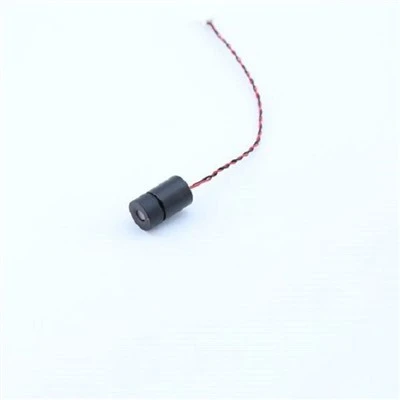
Long Working Distance Laser Module If you’re in the market for a high – quality Structured Light Laser Module or have any questions about firmware upgrades, don’t hesitate to reach out. We’re here to help you make the most of your tech. Whether you’re a professional in the 3D scanning industry or a hobbyist working on a cool project, our modules are designed to meet your needs. Contact us to discuss your requirements and let’s have a chat about how we can take your project to the next level!
References
- Product manuals of Structured Light Laser Modules
- Manufacturer’s official knowledge base for firmware upgrade information
Changshu Desheng Optics Electronics Co., Ltd.
As one of the most professional structured light laser modules manufacturers and suppliers in China, our products have good reputation in the market. Please feel free to buy advanced structured light laser modules for sale here from our factory. Good service and quality products are available.
Address: 8A, Yineng science and technology industrial park, No.183, Yinhe Road, Southeast Development Zone, Changshu, Jiangsu Province, China.
E-mail: desheng1@dershinelaser.com
WebSite: https://www.ds-lasers.com/
