Alright, let’s cut right to the chase—if you’ve ever owned an older car, truck, or SUV, you’ve probably heard “lower ball joints” mentioned at a garage. I’ve been in the parts game for over a decade, so let me tell you, these tiny metal (and sometimes plastic, but let’s be real, metal mostly) bits are the unsung heroes of your front suspension. When they go bad, they turn a smooth ride into a bumpy, scary mess—and 9 times out of 10, it’s totally preventable. Let’s break down the common problems, what actually causes them, and why if you’re rolling in a pre-2010 vehicle, you should be paying attention to these bad boys. Lower Ball Joint
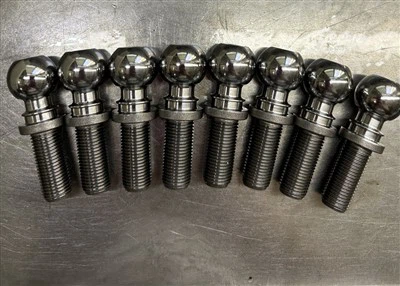
First off, what even is a lower ball joint? Quick refresher (no fancy tech jargon, promise): it’s the little pivot that connects your steering knuckle to the control arm, letting your wheels turn smoothly while handling all the weight of your car, potholes, and those random curbs you accidentally hug in a parking lot. On older vehicles, these are almost always “non-serviceable,” meaning they’re pressed in and meant to last the life of the part—but let’s be real, that rarely happens. The first big problem: wear and tear from road grime. Wait, no, not just regular dirt—water, salt, brake dust, and all that gunk that lives on your undercarriage. Older ball joints have these rubber boots (we call ’em grease seals) that keep the lubricant inside. After 10+ years, that boot cracks, splits, or falls off entirely. Once that happens, dirt and water get in, and the lubricant washes away. Suddenly, the metal ball and socket aren’t moving with a protective layer—they’re grinding against each other like two rusty bolts in a jar. I see this all the time when customers come in with 150k-mile trucks; their old boots look like they’ve been chewed by a lawnmower.
Next up: corrosion. If you live in a place where they salt the roads in winter (hi, Midwest and Northeast folks), this is a non-negotiable issue. Saltwater is like kryptonite to metal parts. When the boot breaks and moisture gets in, it doesn’t just wash away grease—it reacts with the steel to form rust. That rust builds up between the ball and socket, turning a smooth pivot into a stuck, stiff joint. Over time, that rust causes the ball to wear unevenly, creating play. What’s play, you ask? Wiggle. If you grab your front wheel at the top and bottom and push-pull it, and there’s more than a tiny bit of movement, that’s play from a corroded ball joint. The worst part? Most drivers don’t notice this until it’s bad enough that their steering feels loose, or they hear a clunk when going over bumps. I’ve had customers drive for months with that clunk before bringing their car in—by then, the ball joint is almost ready to seize or fall off entirely, which is a major safety hazard.
Wait, speaking of seizing—another common problem is contamination from brake dust. I know, brake dust is just part of life if you have disc brakes, right? But on older vehicles, that fine, abrasive dust can work its way past the cracked boot and into the ball joint. It’s like adding sand to an engine—except this is the part that controls your steering. The abrasive particles scratch the surface of the ball and socket, creating tiny grooves that make movement rough and cause excessive play. I had a customer last year with a 2008 Honda Accord that kept wandering all over the road. Turns out, his ball joint was packed full of brake dust—no rust, just grit. He drove 10k miles with that, and the groove in the socket was deep enough that the ball wouldn’t stay centered. That’s the kind of issue that causes uneven tire wear, too—another red flag no one connects to ball joints.
Then there’s the problem of improper installation in the first place. A lot of older vehicles get work done over the years, and if a mechanic cuts corners when replacing parts, or presses the ball joint in too tight or too loose, it can lead to early failure. I’ve seen parts that were installed incorrectly so many times—some mechanics don’t even torque the control arm bolts to spec, which puts extra stress on the ball joint every time you hit a pothole. It’s like putting a tire on underinflated; it works for a little while, but it blows out fast. Also, some older ball joints were just made with thinner metal back in the day, because manufacturers were cutting costs. Now, when we make replacement lower ball joints, we use thicker, high-grade steel, but that doesn’t help the original parts on cars that are 15+ years old.
Wait, let’s not forget dynamic load. Your lower ball joint isn’t just there for steering—it’s holding up the entire front end of your car. Every time you go over a speed bump too fast, hit a pothole, or take a turn at a higher speed than you should, that ball joint takes a beating. On older vehicles, the metal fatigues over time, like how an old paper towel tears easily. The constant flexing and pressure can cause the ball to crack, or the socket to pull away from the control arm. That’s a huge issue because suddenly, your wheel isn’t aligned properly, and you could lose control. I had a truck owner come in a few years ago who hit a big pothole on the highway—his passenger side lower ball joint had fractured, and his wheel was cocked sideways. He was lucky he didn’t crash, but that’s the kind of story that makes me stress how important these parts are.
Another underrated problem: lack of maintenance (or, rather, the myth that you don’t need to service them). A lot of old cars have “sealed” ball joints, meaning you can’t add grease to them. But guess what? The seal isn’t perfect, and it breaks eventually. Even if your owner’s manual says no grease fittings, if you have an older vehicle, you should still get your ball joints checked every time you get an oil change. Most drivers skip this, so when the boot fails, there’s no way to add fresh grease to keep the joint lubricated. We actually had a batch of replacement ball joints a while back that had upgraded grease fittings—turns out, some customers were happy they could regrease their parts instead of replacing them right away, but most older designs don’t have that option.
Now, let’s talk about what happens when these problems go untreated. It’s not just a clunk or loose steering. You’ll notice uneven tire wear, which costs you money in new tires. You might get vibration in the steering wheel at certain speeds, which is annoying at best and dangerous at worst. In extreme cases, the ball joint can separate, leading to total loss of steering control. That’s not something to mess with—if your mechanic says your lower ball joints are bad, don’t wait.
Here’s the thing: as a lower ball joint supplier, I’ve seen every single one of these issues first-hand. I know that when you’re replacing these parts, you want something that’s going to last, not a cheap knockoff that’ll fail in a year. The key is parts made with durable materials, proper seals that can handle road grime and salt, and precise engineering that fits exactly right. We’ve designed our ball joints specifically for older vehicles, addressing all the common wear points—thicker boots that resist cracking, high-grade steel that fights corrosion, and precision-machined balls and sockets that minimize play from day one.
If you’re driving an older vehicle, don’t ignore the small signs: that clunk when going over driveways, steering that feels a little off, tires that wear faster on one side. Those are all clues that your lower ball joints are on their way out. And when you do need replacements, make sure you’re getting quality parts that can stand up to the abuse of years on the road. We’re here to help if you’re looking for reliable lower ball joints for older vehicles—whether you’re a garage looking to stock parts or a do-it-yourselfer working on your own car. We can talk about fitment, durability, and make sure you get exactly what you need without the hassle.
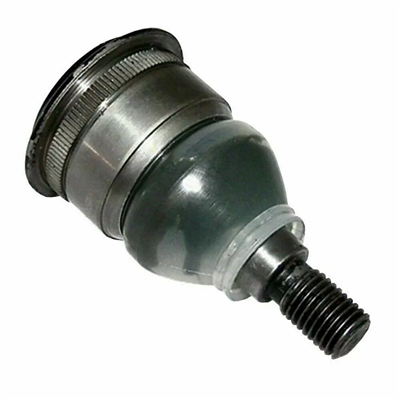
At the end of the day, lower ball joints are one of those parts that you don’t think about until they break. But taking care of them (or replacing them before they fail) is the difference between a safe ride and a trip to the mechanic—or worse. Don’t wait until it’s too late. If you have questions about lower ball joints for your older vehicle, reach out to us to discuss your needs and find the right solution.
Lower Ball Joint References:
- Automotive Suspension Systems: Design, Diagnosis, and Repair, 4th Edition, Delmar Cengage Learning
- “Common Failure Modes of Suspension Ball Joints in Light-Duty Vehicles,” SAE International Technical Paper, 2018
- “Effect of Road Salt on Automotive Component Corrosion,” Journal of Automotive Engineering, 2020
- “The Impact of Improper Installation on Suspension Component Longevity,” National Institute for Automotive Service Excellence (ASE) Technical Report, 2019
Taizhou Huazhe Auto Parts Co., Ltd.
As one of the most professional lower ball joint manufacturers and suppliers in China, we’re featured by quality products and low price. Please rest assured to buy bulk high-grade lower ball joint in stock here from our factory. For pricelist, contact us now.
Address: No. 2828, Binkang Avenue, Sanjia Street, Taizhou Bay New Area, Taizhou City, Zhejiang Province
E-mail: 19906762800@163.com
WebSite: https://www.huazheindustry.com/
