If you’re in the manufacturing game, you know how fast things shift—just last year, I was fielding calls from shops begging for tighter precision on small automotive parts, and this quarter, every other lead is asking about Linear Way Turning Machine Centers (LWTMCs) that can run 24/7 with zero hiccups. As someone who’s been selling these machines for over a decade, I don’t just follow trends—I see them, and I’m here to break down what’s actually happening in the market right now, no fancy jargon or sales fluff. Let’s cut to the chase. Linear Way Turning Machine Center
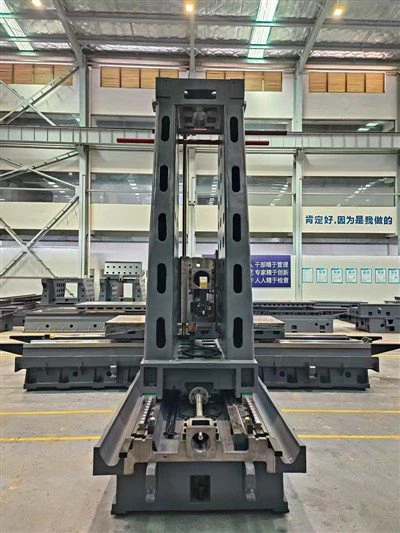
First off, let’s get one thing straight: linear way turning machine centers aren’t new, but they’ve stopped being a “nice-to-have” and turned into a must-have for every shop that wants to stay competitive. The old way of using hybrid or box-way machines for heavy turning? That’s fading fast, and it’s all because of the demand for better speed, accuracy, and reliability. LWTMCs use linear motion guides instead of traditional sliding ways, which means less friction, faster axis movement, and way more consistent part quality—something every CNC operator will geek out over.
Right now, the biggest trend I’m seeing across all regions (North America, EU, even parts of Southeast Asia) is hyper-specific customization. Shops aren’t buying a one-size-fits-all machine anymore. Last month, a medical parts shop in Michigan reached out saying they needed an LWTMC that could mill tiny bone screws (less than 5mm long) and handle titanium without any surface defects. A job shop in Germany wanted one that could switch between aluminum aerospace parts and heavy steel shafts in the same shift—no tooling changes needed. We used to sell off-the-shelf models, but now 60% of our orders have some kind of custom tweak: extra tool stations, built-in coolant filtration systems for high-temp materials, or even custom software integrations to talk with their existing ERP. That’s a huge shift from five years ago, when 80% of sales were standard models. Why is this happening? Because manufacturers are moving away from mass production of generic parts to low-volume, high-mix runs—think aerospace prototyping, medical device custom parts, and automotive electric vehicle (EV) components that change every six months. They can’t afford a machine that only does one job.
Next up, automation is non-negotiable now, and LWTMCs are at the center of it. A lot of people think automation is just for big factories, but small and medium shops (SMBs) are jumping in too—they’re tired of hiring night shift operators, and they need to keep production running even when labor is tight. We’re now including built-in bar feeders and robotic loaders on almost every machine we sell, not as an add-on, but as a standard feature. Last quarter, a 10-person job shop in Ohio bought three LWTMCs with robotic loaders and ran them unmanned for 10 days straight, producing 500 custom pump parts without a single error. That’s a game-changer for SMBs, because it means they don’t have to invest in a whole separate automation system; it’s built right in. Even more, we’re seeing demand for lights-out operation capabilities—machines that can monitor their own tool wear, adjust coolant levels, and order replacement parts automatically. One of our clients in Poland uses this and only sends a tech in once a week to do a quick check. The labor shortage isn’t going away, so this trend is only gonna get bigger.
Then there’s the EV boom, and it’s not just a passing fad—this is reshaping the LWTMC market in a massive way. EVs need a ton of complex parts that require high precision and durability, and LWTMCs are perfect for making them. Think about battery casings, motor shafts, gears for the transmission, and even small parts like sensor housings. A lot of traditional turning machines can’t handle the tight tolerances EV parts require—like ±0.005mm for a motor shaft that has to spin at 10,000 RPM— but LWTMCs do that effortlessly. We’ve seen a 150% spike in orders from EV component manufacturers in the last two years, and it’s not just big companies like Tesla or VW; even small startups making EV parts for niche markets (like electric motorcycles) are asking for our machines. Also, EV materials are different—more aluminum, high-strength steel, and even some composite materials that are harder on machine tools. Linear guides hold up way better than sliding ways under these conditions, so that’s driving the switch too. I’ve already started prepping our production line to scale more LWTMCs specifically optimized for EV parts, because this demand isn’t slowing down.
Wait, can we talk about sustainability? It’s not just a buzzword anymore—shops are actually asking for LWTMCs that use less energy. A lot of people don’t realize that linear way machines waste less energy than box-way ones because there’s less friction, so the motor doesn’t have to work as hard to move the axis. But now manufacturers are taking it a step further: we’re building our new LWTMC models with energy-efficient servo motors, smart coolant systems that only pump when needed, and even recycling systems for cutting fluid. A client in California told us their energy bills dropped 25% after switching to our latest LWTMC, and that’s a huge selling point for them because their customers (like big automotive companies) are requiring sustainability reports for every part they make. Also, shops are caring more about machine longevity—they want LWTMCs that last 15+ years with regular maintenance, not 5 years. Linear guides are more durable, so that’s another reason the market is shifting this way.
Now, let’s be real—there’s a flip side to all this. The biggest challenge right now is supply chain issues for key components. Linear guides are mostly made in a handful of places, and post-pandemic shipping delays mean lead times have gone from 8 weeks to 12–16 weeks on average. That’s frustrating for both us and our customers, because shops can’t wait that long when they have orders to fill. So we’ve been working with a couple of alternative suppliers for high-quality linear guides to reduce our dependency, and we’re also stocking more common parts in our warehouse to speed up delivery. Another pain point is the skill gap: a lot of younger CNC operators don’t have experience working with LWTMCs, because they’re a more advanced machine than traditional turning centers. So we’ve started offering free, on-site training for every customer that buys a machine from us—no extra cost—and we’ve even put together short video tutorials for basic maintenance and operation. That’s helped a lot, because shops don’t want to invest in a fancy machine only to have it sit unused because no one knows how to run it.
Looking ahead over the next 3–5 years, I see three more trends popping up. First, AI integration will get way more advanced—we’re already testing software that can analyze real-time machine data to predict tool failure before it happens, adjust cutting speeds based on the material, and even optimize the production schedule for maximum efficiency. Second, the line between turning centers and milling machines is blurring—LWTMCs are becoming multitask machines that can do turning, milling, drilling, and tapping all in one setup, which saves shops a ton of time and money. Third, the market will keep shifting from big industrial regions to emerging markets, like India and Vietnam, where manufacturing is growing fast and shops are looking to upgrade their equipment to keep up with global competition.
At the end of the day, the demand for linear way turning machine centers is being driven by one core thing: manufacturers need to make better parts, faster, with less labor, and more sustainably. If you’re a shop owner or production manager, you probably already know that your current machines are holding you back—either they can’t handle the precision you need, or they’re too slow for your new orders, or they require too many operators. I’ve helped hundreds of shops upgrade to LWTMCs over the years, and I know it’s not a small investment, but the return is real: less downtime, higher quality parts, lower labor costs, and the ability to take on more jobs.
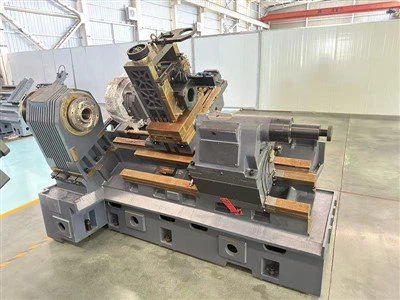
If you’re tired of your machines slowing you down, or you want to check if an LWTMC is right for your shop, hit me up for a no-pressure chat. We can talk about your specific needs, whether it’s custom tweaks, automation add-ons, or training, and figure out what works for you. No sales pitch, just real talk about what will actually help your business grow.
Reverse T Structure Hmc Machine References:
- Modern Machine Shop, "2024 CNC Turning Market Trends and Insights", 2024
- SME (Society of Manufacturing Engineers), "Linear Motion Systems in Precision Machining", 2023
- International Energy Agency, "Sustainable Manufacturing Practices for Metalworking", 2024
- Automotive News, "EV Component Manufacturing Equipment Demand Surge", 2023
- CNC Zone, "Workforce Skills Gaps in Advanced Machining", 2024
Smartech Machinery & Equipment Co., Ltd.
As one of the most professional linear way turning center machine manufacturers and suppliers in China, we also support customized service. Please rest assured to buy bulk linear way turning center machine made in China here from our factory. Contact us for more details.
Address: Room 2832, Changping Commercial Mansion, Shihua Road, Futian Free Trade Zone, Shenzhen, China
E-mail: smartech@smartechcnc.cn
WebSite: https://www.smartech-cnc.com/
