Hey there! As a supplier of cylinder kits, I often get asked about how to check the fit of a cylinder kit. It’s a crucial step, whether you’re a DIY enthusiast working on your bike or a professional mechanic servicing a range of engines. A proper fit ensures optimal performance, longevity, and safety. So, let’s dive into the nitty – gritty of checking that cylinder kit fit. Cylinder Kit
Initial Checks Before Installation
First off, you gotta start with the basics. Get your hands on the parts list and specs that came with the cylinder kit. These papers are like a treasure map; they tell you what’s supposed to be in the box and what the measurements should be. I’ve seen plenty of cases where the wrong part was slipped in by accident, so it’s always worth double – checking.
Take a good look at all the components in the kit. You should have a cylinder, pistons, piston rings, and maybe some gaskets. Check for any visible damage. Scratches, dents, or chips can mess up the fit and cause all sorts of problems down the road. And don’t forget about the packaging. If it looks like it’s been through a war, there might be hidden damage inside.
Measuring the Cylinder
The cylinder is the heart of the kit, so getting its measurements right is super important. You’ll need a micrometer for this job. I’m talking about a good – quality one, not some cheapo you picked up at the dollar store.
Start by measuring the bore diameter of the cylinder. Do this at different points along the cylinder, both vertically and horizontally. The reason for multiple measurements is that cylinders can sometimes have a taper or out – of – round shape. If these measurements are way off the specs in the manual, your kit might be a dud.
Now, compare these measurements with the piston size. The piston should have a specified clearance range when it’s inserted into the cylinder. Too much clearance, and you’ll have excessive noise and poor performance. Too little, and the piston might seize up, causing some serious engine damage. There are handy charts out there that can tell you the ideal clearance based on the engine type and the materials used in the cylinder and piston.
Piston and Ring Checks
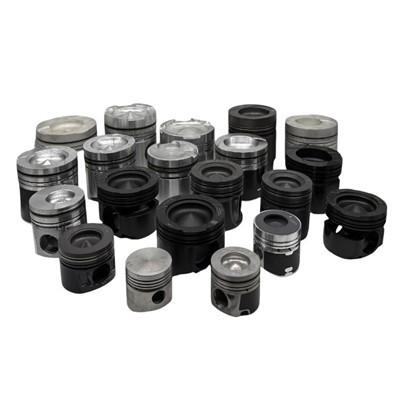
Let’s talk about pistons. They’re not just little metal chunks; they’re precision – made pieces that need to be in top – notch condition. First, check the piston for any signs of wear or damage. Look at the piston skirt, which is the part that slides against the cylinder wall. Any scratches or grooves? If so, it might not fit well or could cause premature wear on the cylinder.
The piston rings are also key players. They create a seal between the piston and the cylinder wall, preventing combustion gases from leaking past. Check the ring gap using a feeler gauge. The ring gap is the small space between the ends of the piston ring when it’s placed in the cylinder. If the gap is too small, the ring might expand and break when the engine heats up. If it’s too big, you’ll get a loss of compression. Make sure the ring gap falls within the recommended range in the instructions.
Gasket Fit
Gaskets are easy to overlook, but they’re vital for a proper fit. A leaking gasket can lead to coolant or oil leaks, reduced engine performance, and even engine failure. Check the size and shape of the gaskets that came with your cylinder kit. They should match up neatly with the mating surfaces on the cylinder and the engine block.
Flex the gaskets gently to make sure they haven’t become brittle. Old or damaged gaskets won’t create a good seal, no matter how well the rest of the kit fits. And don’t forget to clean the mating surfaces thoroughly before installing the gaskets. Any dirt or debris can prevent a proper seal.
Assembly and Fit Testing
Once you’ve checked all the individual components, it’s time for the big test: assembly. Start by lubricating the piston and the cylinder wall with a high – quality engine oil. This will make it easier to insert the piston and also prevent any initial wear.
Carefully insert the piston into the cylinder. It should slide in smoothly, but not too easily. If you have to force it, there’s definitely something wrong. You might need to go back and re – check your measurements.
After inserting the piston, check the piston’s movement. It should move up and down freely without any binding or excessive play. If you notice any resistance or strange noises, stop and figure out what’s causing the problem.
Final Checks
Once you’ve assembled the cylinder kit on the engine, do a final visual inspection. Make sure all the bolts are tightened to the correct torque specifications. Loose bolts can cause vibrations and leaks, while over – tightened bolts can damage the components.
Start the engine and let it idle for a few minutes. Listen for any unusual noises, like knocking or rattling. Check for any signs of leaks around the cylinder, gaskets, or other connections. If everything seems to be running smoothly, you’re in good shape. But keep an eye on it during the first few hours of operation. Any issues that pop up early can be addressed before they turn into major problems.
Why Choose Our Cylinder Kits
Now, I know you might be thinking, "There are so many cylinder kit suppliers out there. Why should I choose yours?" Well, let me tell you. Our cylinder kits are made from high – quality materials. We source the best metals and alloys to ensure durability and performance.
We also have a strict quality control process. Every single cylinder kit that leaves our factory goes through multiple checks to make sure it meets or exceeds industry standards. That means you can trust that the fit will be spot – on, and you won’t have to worry about all those fit – checking headaches.
And if you do have any questions or run into issues, our customer support team is always here to help. We’ve got a team of experienced mechanics and engineers who can offer advice and guidance every step of the way.

So, if you’re in the market for a new cylinder kit, whether it’s for a small motorcycle engine or a big industrial machine, don’t hesitate to reach out. We’re here to provide you with the best products and support to keep your engine running smoothly.
DEUTZ Piston If you’re interested in our cylinder kits or have any questions about the fit – checking process or anything else related to our products, feel free to contact us. We’re always ready to assist with your purchasing needs and have a chat about how we can meet your specific requirements.
References
- "Automotive Engine Rebuilding Manual", Popular Mechanics
- "Small Engine Repair Handbook", Haynes Publishing
Hebei Yuwei Piston Co., Ltd.
As one of the most professional cylinder kit manufacturers and suppliers in China, we’re featured by quality products and good service. Please rest assured to buy customized cylinder kit made in China here from our factory. Also, quotation is available.
Address: Beizhujiacun Village, Sujiuzhuang Town, Ningjin County, Xingtai City, Hebei Province
E-mail: jack@ywpiston.com
WebSite: https://www.ywpiston.com/
