As a supplier of High – Voltage Battery Cluster Systems, I am often asked about the storage requirements for these systems. High – Voltage Battery Cluster Systems are complex and crucial components in various applications, from electric vehicles to large – scale energy storage stations. Proper storage is not only essential for maintaining the performance and lifespan of the batteries but also for ensuring safety. In this blog, I will delve into the key storage requirements for High – Voltage Battery Cluster Systems. High-Voltage Battery Cluster Systems
Temperature Control
Temperature is one of the most critical factors when it comes to storing high – voltage battery cluster systems. Batteries are sensitive to temperature changes, and extreme temperatures can have a significant impact on their performance and longevity.
Optimal Temperature Range
For most high – voltage battery chemistries, such as lithium – ion, the optimal storage temperature range is between 20°C and 25°C (68°F – 77°F). Within this range, the chemical reactions inside the battery occur at an appropriate rate, minimizing self – discharge and degradation. When the temperature is too low, the battery’s internal resistance increases, which can lead to reduced capacity and slower charging and discharging rates. On the other hand, high temperatures can accelerate the chemical reactions, causing the battery to age faster, increase the risk of thermal runaway, and potentially lead to safety hazards.
Temperature Monitoring and Regulation
To maintain the optimal temperature, it is necessary to have a reliable temperature monitoring and regulation system in the storage facility. This can include installing temperature sensors throughout the battery cluster to continuously monitor the temperature. If the temperature deviates from the optimal range, the system should be able to activate heating or cooling mechanisms. For example, in cold environments, heaters can be used to warm the batteries, while in hot climates, air – conditioning or cooling fans can be employed to dissipate heat.
Humidity Management
Humidity can also have a detrimental effect on high – voltage battery cluster systems. Moisture in the air can cause corrosion of the battery terminals and other metal components, which can lead to electrical failures and reduced battery performance.
Ideal Humidity Level
The ideal relative humidity for storing high – voltage batteries is typically between 30% and 50%. At this level, the risk of corrosion is minimized while also preventing the batteries from drying out. High humidity levels increase the likelihood of condensation forming on the battery surfaces, which can short – circuit the electrical connections and damage the internal components. Low humidity, on the other hand, can cause the electrolyte in the batteries to evaporate, leading to reduced battery capacity.
Humidity Control Measures
To control humidity, storage facilities can be equipped with humidity sensors and dehumidifiers or humidifiers. Dehumidifiers are used when the humidity is too high to remove excess moisture from the air. In dry environments, humidifiers can be used to add moisture to the air to maintain the optimal humidity level.
Ventilation
Proper ventilation is essential for storing high – voltage battery cluster systems. During the charging and discharging process, batteries can release gases, such as hydrogen and oxygen. These gases can be flammable and explosive if they accumulate in high concentrations.
Ventilation Requirements
The storage facility should have a well – designed ventilation system to ensure the continuous removal of these gases. The ventilation rate should be sufficient to keep the gas concentrations below the flammable limits. In addition, the ventilation system should be designed to prevent the recirculation of contaminated air.
Air Quality Monitoring
It is also important to monitor the air quality in the storage facility. This can include measuring the concentration of flammable gases, as well as other pollutants. If the gas concentrations exceed the safe limits, the ventilation system should be adjusted or additional safety measures should be taken.
Electrical Isolation
High – voltage battery cluster systems operate at high voltages, which pose a significant safety risk. Therefore, proper electrical isolation is crucial during storage.
Isolation from Power Sources
The batteries should be disconnected from the power sources during storage to prevent any unexpected charging or discharging. This can be achieved by using isolation switches or disconnecting the cables. In addition, the storage area should be designed to prevent accidental contact with live electrical components.
Grounding
Proper grounding is also essential for safety. The battery cluster system should be grounded to prevent the build – up of static electricity and to provide a safe path for electrical current in case of a fault.
Storage Configuration
The way the high – voltage battery cluster systems are stored can also affect their performance and safety.
Stacking and Spacing
When stacking the battery modules, it is important to follow the manufacturer’s recommendations. Over – stacking can cause mechanical stress on the batteries, which can lead to damage. Adequate spacing should be provided between the battery modules to allow for proper ventilation and to prevent the spread of fire in case of a thermal runaway event.
Storage Racks
The storage racks should be designed to support the weight of the batteries and to provide a stable platform. They should also be made of non – conductive materials to prevent electrical short – circuits.
Safety Equipment
In addition to the above storage requirements, it is essential to have appropriate safety equipment in the storage facility.
Fire Suppression Systems
High – voltage battery fires can be extremely dangerous and difficult to extinguish. Therefore, the storage facility should be equipped with fire suppression systems, such as sprinklers or gas – based fire extinguishers. These systems should be designed to quickly detect and suppress fires before they spread.
Emergency Stop Buttons
Emergency stop buttons should be installed in the storage area to allow for quick shutdown of the battery cluster system in case of an emergency.
Monitoring and Maintenance
Regular monitoring and maintenance are essential for ensuring the proper storage of high – voltage battery cluster systems.
Battery Monitoring
The battery’s state of charge (SOC), state of health (SOH), and temperature should be regularly monitored. This can be done using battery management systems (BMS) or other monitoring devices. Any abnormal readings should be investigated immediately.
Maintenance Schedule
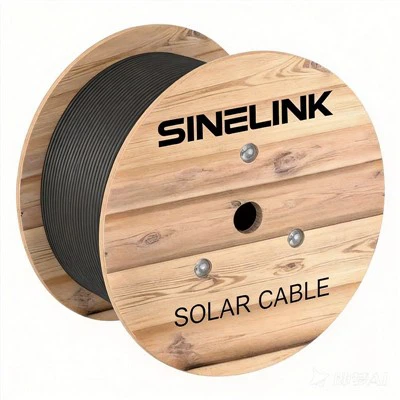
A regular maintenance schedule should be established to inspect the batteries, cables, and other components for any signs of damage or wear. This includes checking for loose connections, corrosion, and physical damage.
MC4 Connector In conclusion, the storage requirements for high – voltage battery cluster systems are complex and multifaceted. Temperature control, humidity management, ventilation, electrical isolation, proper storage configuration, safety equipment, and regular monitoring and maintenance are all crucial aspects of ensuring the performance, safety, and longevity of these systems. As a supplier of high – voltage battery cluster systems, we are committed to providing our customers with the best – in – class products and guidance on proper storage and maintenance. If you are interested in purchasing our high – voltage battery cluster systems or have any questions about storage requirements, please feel free to contact us for a detailed discussion.
References
- Linden, D., & Reddy, T. B. (2001). Handbook of Batteries. McGraw – Hill.
- Pistoia, G. (2016). Lithium – Ion Batteries: Advances and Applications. Elsevier.
- International Electrotechnical Commission. (2018). Safety requirements for secondary batteries and battery installations – Lithium – ion secondary batteries for use in portable applications. IEC 62133 – 2.
Tianjin Xilingke New Energy Technology Co., Ltd.
Address: Suite 2601, Tower B, Wanghai International, Haihe East Road, Hebei District, Tianjin, China.
E-mail: robin@sinelinkev.com
WebSite: https://www.sinelinkenergy.com/
