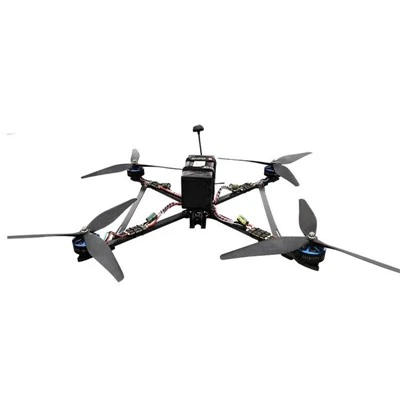
In the modern battlefield landscape, the synergy between interceptor drones and ground forces has emerged as a revolutionary approach to enhancing military operations. As a leading supplier of interceptor drones, I have witnessed firsthand how these advanced technologies can transform the way ground forces engage in combat, conduct surveillance, and ensure mission success. In this blog post, I will delve into the various ways in which interceptor drones cooperate with ground forces, highlighting the benefits and challenges of this partnership. Interceptor Drones
Surveillance and Reconnaissance
One of the primary roles of interceptor drones in cooperation with ground forces is surveillance and reconnaissance. These drones are equipped with high – resolution cameras, thermal imaging sensors, and other advanced detection equipment that can provide real – time intelligence to ground troops.
Interceptor drones can cover large areas of territory quickly and efficiently. They can fly at different altitudes, from low – level flights to high – altitude overflights, allowing them to gather information from various perspectives. For example, in a mountainous or forested region, drones can fly over the terrain to detect enemy movements that may be hidden from ground – based sensors. This information is then transmitted instantly to the command center of the ground forces, enabling them to make informed decisions about troop deployment and tactical maneuvers.
Moreover, drones can operate in hostile environments where it may be too dangerous for ground forces to venture. They can enter areas with a high risk of ambush, chemical contamination, or other hazards, providing valuable data without putting human lives at risk. This is particularly useful in urban warfare scenarios, where drones can fly through narrow streets and alleys to detect enemy positions and fortifications.
Target Acquisition and Engagement
Interceptor drones can also play a crucial role in target acquisition and engagement. By using their advanced sensors, they can identify potential targets, such as enemy vehicles, artillery positions, and fortified buildings. The drones can then relay the precise coordinates of these targets to ground forces, allowing them to launch accurate attacks.
In some cases, interceptor drones are equipped with their own weapons systems, such as small – caliber missiles or bombs. They can engage in direct combat against enemy targets, either independently or in coordination with ground – based weapons. For example, a drone can be used to draw enemy fire, exposing their positions for ground forces to launch a more effective counter – attack. Alternatively, drones can be used to deliver precision strikes on high – value targets, reducing the collateral damage associated with traditional ground – based attacks.
In addition, drones can provide real – time feedback on the effectiveness of attacks. They can monitor the impact of munitions, track the movement of enemy forces in the aftermath of an attack, and assess whether additional strikes are required. This level of situational awareness is invaluable for ground forces, as it allows them to adapt their strategies and tactics accordingly.
Communication and Coordination
Effective communication and coordination are essential for the successful cooperation between interceptor drones and ground forces. Drones are equipped with sophisticated communication systems that can establish links with ground – based units, enabling seamless information sharing.
During a military operation, drones can act as communication relays, extending the range of ground – based communication systems. This is particularly useful in areas with challenging terrain or where enemy jamming efforts may disrupt traditional communication channels. By providing a reliable communication link, drones ensure that ground forces can stay connected with each other and with the command center at all times.
Furthermore, drones can be programmed to work in a coordinated manner with ground troops. For example, a group of drones can be deployed to form a surveillance perimeter around a ground – based unit, providing 360 – degree protection. Ground forces can then use the information provided by the drones to move safely through the area, avoiding potential threats.
Logistics and Support
Interceptor drones can also offer significant support in the logistics aspect of military operations. They can be used to deliver supplies, medical kits, and other essential items to ground forces in remote or hard – to – reach areas.
In a combat zone, time is of the essence, and traditional supply routes may be blocked or under threat. Drones can quickly bypass these obstacles and deliver the necessary supplies directly to the troops. This not only improves the operational efficiency of ground forces but also reduces the risk associated with supply convoys.
In addition, drones can be used for damage assessment after a battle. They can fly over damaged infrastructure, such as bridges and roads, to provide detailed information about the extent of the damage. This information can then be used by ground forces to plan repair efforts and ensure the continued mobility of troops.
Challenges of Cooperation
While the cooperation between interceptor drones and ground forces offers numerous benefits, it also presents several challenges. One of the main challenges is the issue of integration. Drones need to be fully integrated into the existing military communication and command systems of ground forces. This requires significant investment in technology and training to ensure that ground troops can effectively operate and utilize the drones.
Another challenge is the vulnerability of drones to enemy counter – measures. Drones can be targeted by enemy anti – aircraft weapons, electronic jamming, or cyber – attacks. Ground forces need to develop effective strategies to protect the drones and ensure their continued operation in a hostile environment.
Finally, there are ethical and legal considerations associated with the use of drones in military operations. The use of drones for targeted killings and surveillance has raised concerns about civilian casualties and privacy rights. Ground forces and drone operators need to ensure that they comply with international laws and ethical standards when using drones in combat.
Conclusion
The cooperation between interceptor drones and ground forces represents a significant advancement in modern military technology. By providing surveillance, target acquisition, communication, and logistics support, drones can enhance the combat effectiveness of ground troops and reduce the risk to human lives.
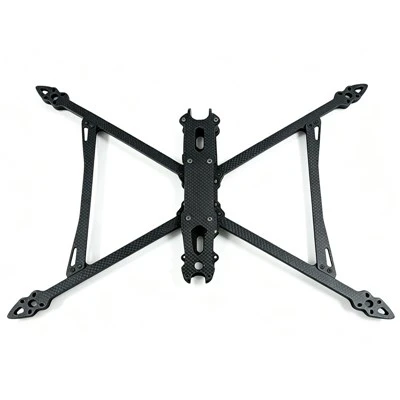
As a supplier of interceptor drones, I am committed to developing and providing the most advanced and reliable drone technologies to support ground forces. Our drones are designed to meet the diverse needs of military operations, with high – performance sensors, robust communication systems, and advanced navigation capabilities.
3115 Motor If you are interested in learning more about how our interceptor drones can cooperate with your ground forces and enhance your military operations, I encourage you to reach out to us for a procurement discussion. We look forward to the opportunity to work with you and contribute to your mission success.
References
- Department of Defense. (Year). Military Technology Report.
- International Institute for Strategic Studies. (Year). The Military Balance.
- Jane’s Information Group. (Year). Jane’s Drones and Unmanned Systems.
Xpert Intelligent Equipment Co., Ltd.
Address: Building 3, No. 65 Longhu Road, Longdong Community, Baolong Street, Longgang District, Shenzhen
E-mail: winnie@xpfpv.com
WebSite: https://www.xpfpv.com/
